Why Gates Matter
The part of the fence you use every day
A fence is only as convenient as its gates. Everything that moves in and out of the yard, from people and pets to mowers, wheelbarrows and trash bins, passes through them. A gate that is too narrow, in the wrong spot or difficult to latch becomes a daily frustration. A well-planned gate simply works.
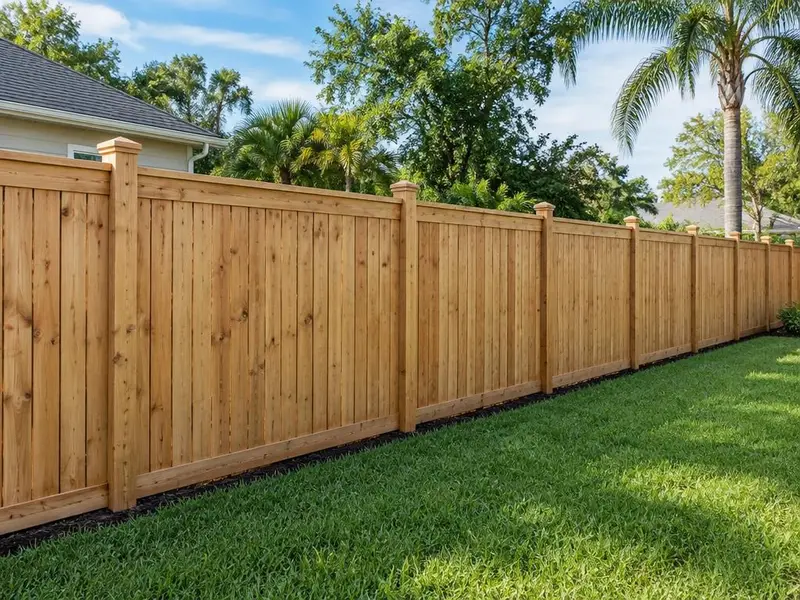
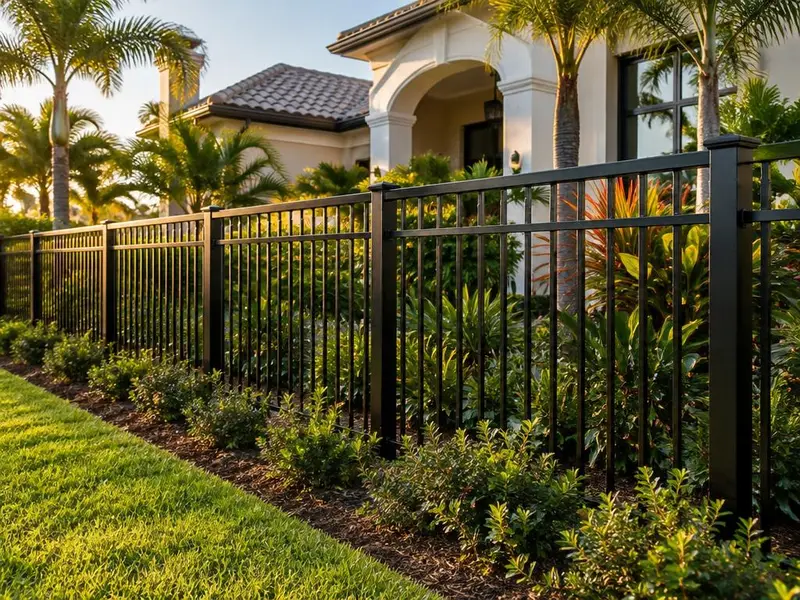
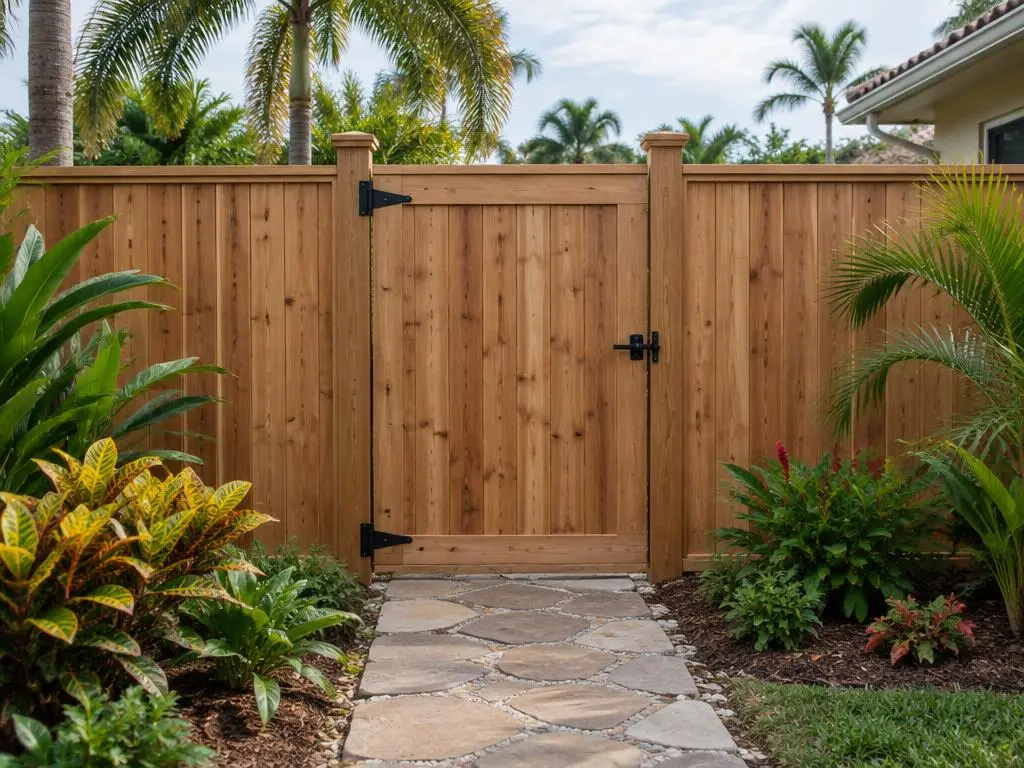
We install fence gates as part of new fence projects and can discuss adding a gate to a fence layout. Gates are typically built to match the fence they belong to, whether that is wood, vinyl, aluminum or chain link.
Planning gate placement
Before choosing a style, think about how you move around your property:
- Daily walking routes — from the driveway to the backyard, or from the back door to the side yard.
- Equipment access — where mowers, wheelbarrows or other equipment need to get through.
- Trash and recycling — where bins are stored and how they reach the curb.
- Utilities — whether meter readers or service providers need access.
- Ground conditions — slopes and uneven ground affect how a gate swings and where it can open.
Many properties benefit from more than one gate, such as a walk gate near the house and a wider gate elsewhere for larger items.
Gate widths and swing direction
Single walk gates
A single gate sized for foot traffic is the most common choice for everyday access. Consider whether you will carry things through regularly, and size it a little wider if so.
Wider and double gates
When equipment, a trailer or a vehicle needs to pass through, a wider opening or a pair of gates that meet in the middle may make more sense. Double gates spread a wide opening across two leaves.
Swing direction and clearance
Decide whether the gate should swing into the yard or out, and make sure there is room for it to open fully without hitting landscaping, steps or slopes.
Everyday Use
Latches, hardware and safety
Hardware determines how a gate feels to use. Hinges carry the gate's weight, and the latch decides how easily it closes and how securely it stays shut. If you have pets or young children, a latch that closes reliably every time matters a great deal. Hardware options vary by fence type, and we can discuss what suits your gate during your estimate.
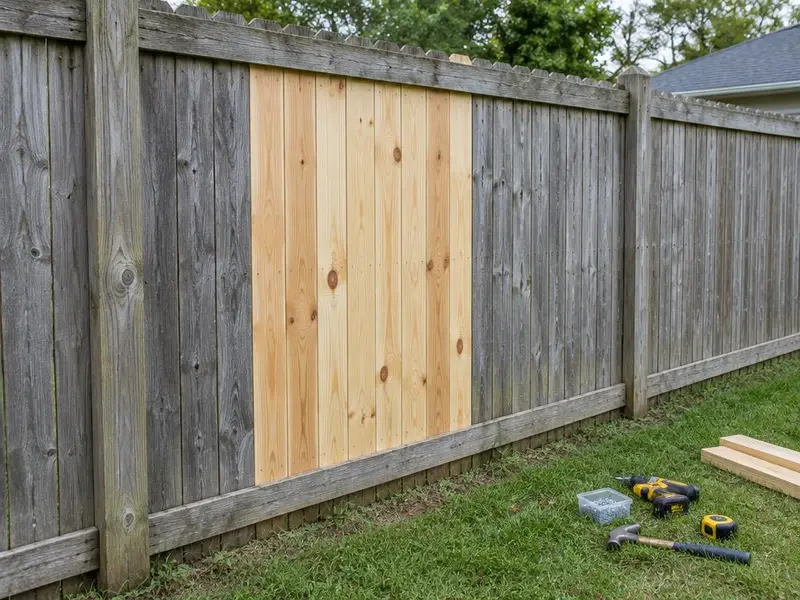
Gates also take more wear than any other part of a fence. Over time, a gate that drags or will not latch can usually be traced to movement or wear, and it is worth having it looked at. Our fence repair page explains what to share when requesting an assessment.